ISO 9001 Certified
Serving the UK for 50 Years
Nationwide Coverage
Big Brands Stocked
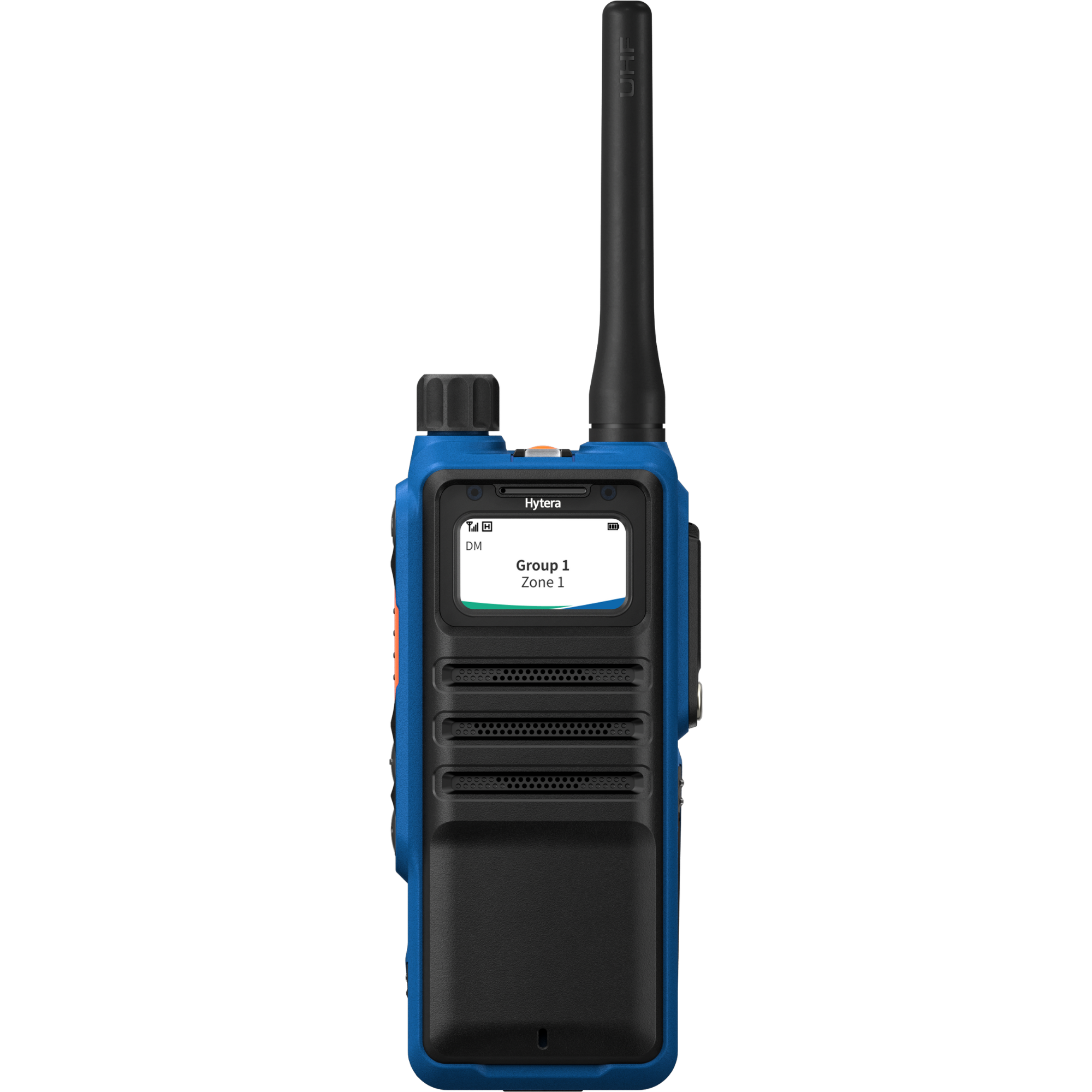
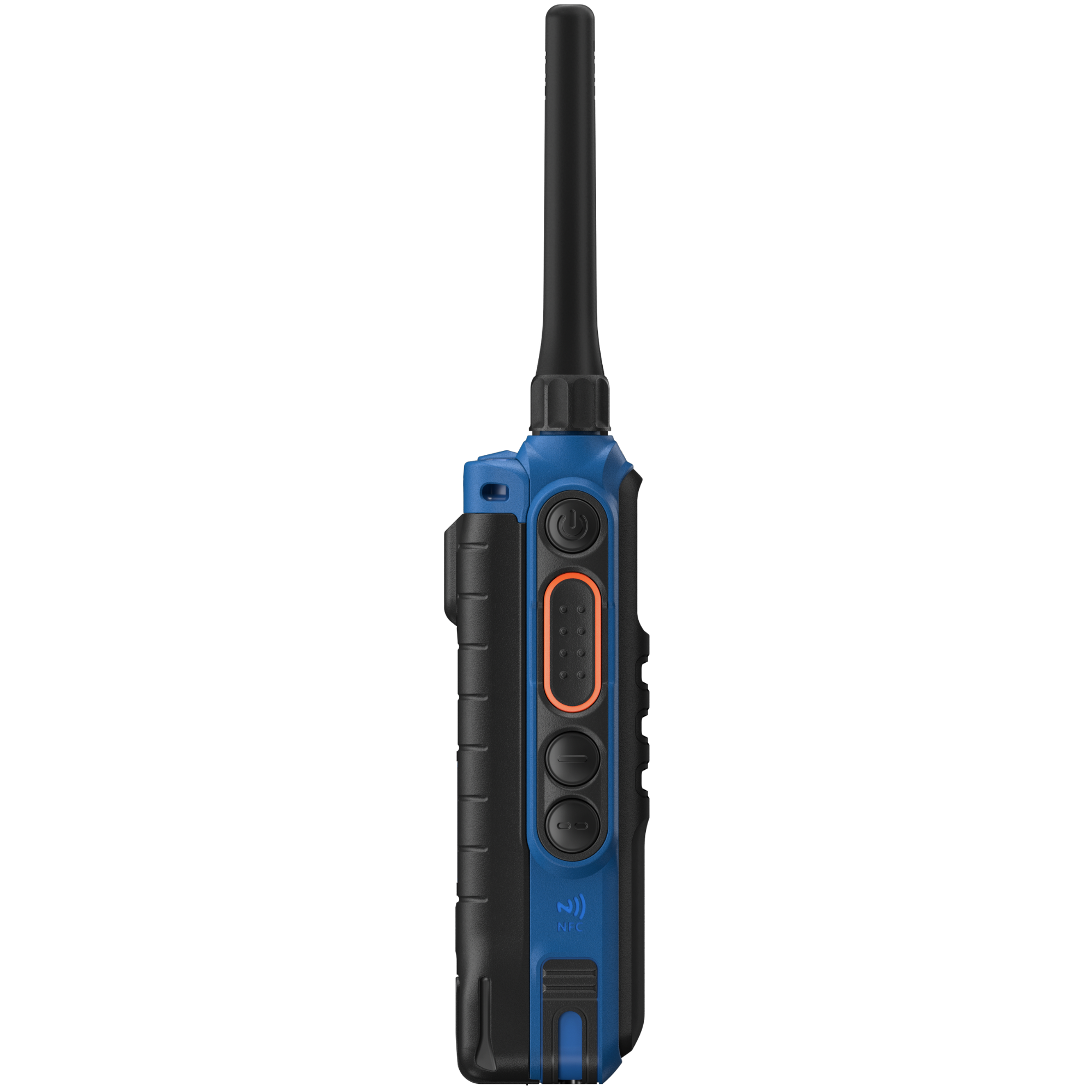
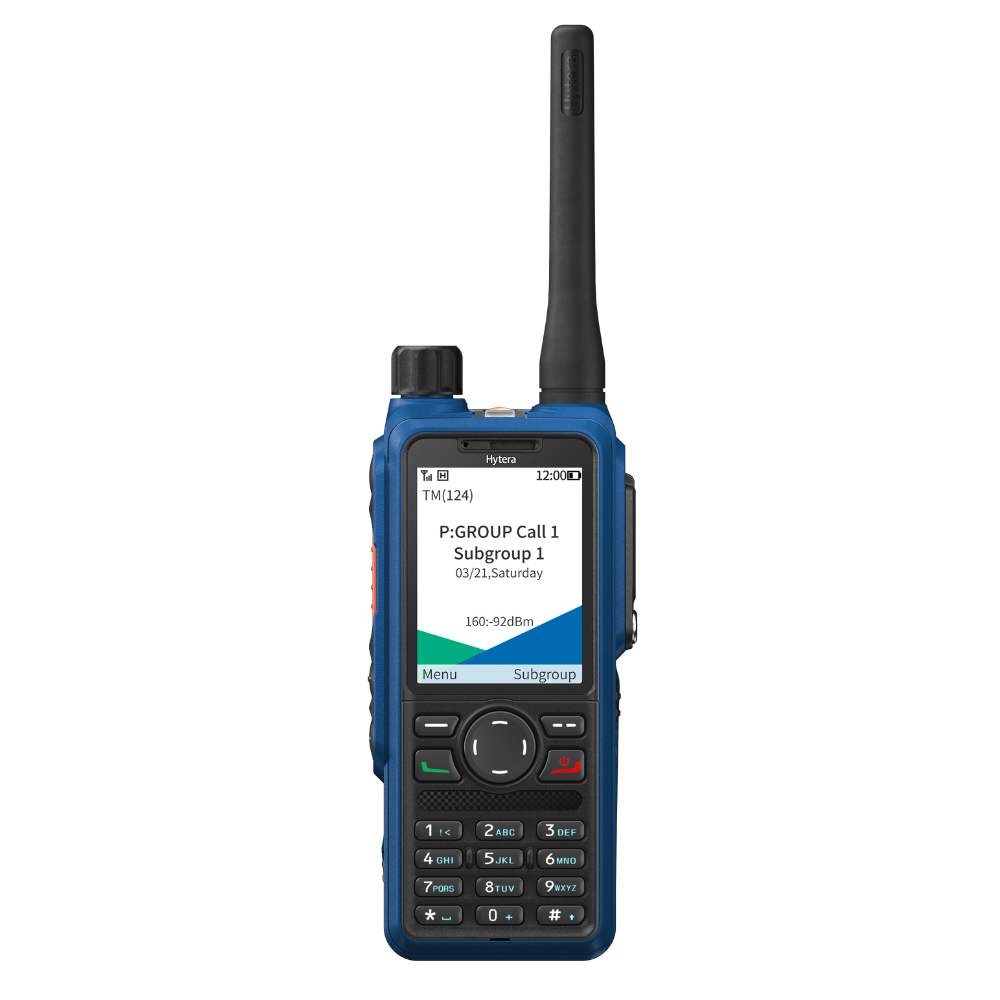
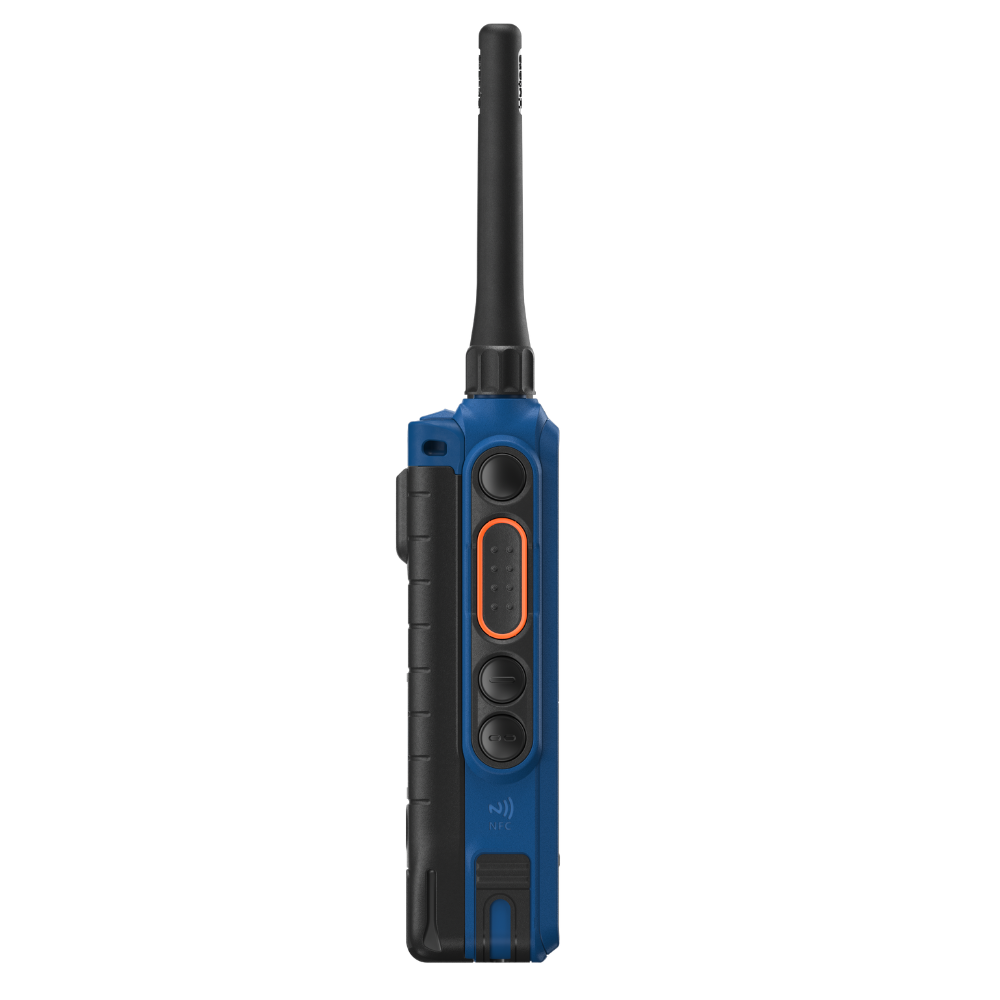
ATEX two way radios are designed for professional communication in potentially explosive atmospheres where conventional electronic equipment may present an ignition risk.
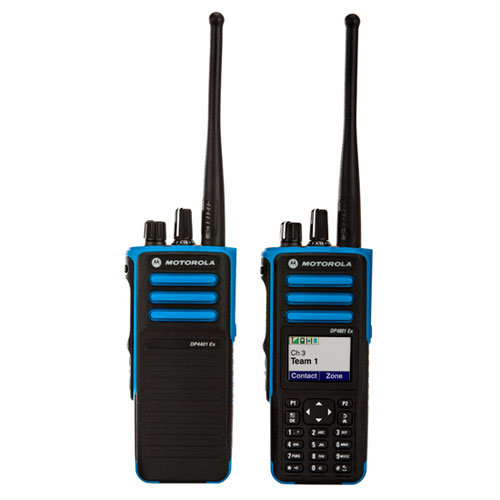
Used in industries handling flammable gases, vapours and combustible dusts, appropriately certified radios allow employees to communicate while working in hazardous environments. At Tranex, we supply professional ATEX radios and intrinsically safe two way radios from established manufacturers, including Motorola and Hytera.
Our range is suitable for businesses operating in sectors such as oil and gas, chemical processing, manufacturing, energy, utilities and industrial maintenance, where specialist communication equipment may be required under workplace safety procedures.
Explore our range of ATEX two way radios or contact our team to discuss your communication requirements and request a quote.
Showing all 10 results
An ATEX two way radio is a communication device certified for use in specified potentially explosive atmospheres. These radios are designed and assessed to reduce ignition risks associated with electrical equipment. ATEX radios are used in industries such as oil and gas, chemical processing and manufacturing. The specific environments in which a device can be used depend on its certification and equipment markings.
Standard two way radios are designed for general communication applications, while ATEX radios incorporate specialised explosion-protection measures and certification for specified hazardous environments. Many ATEX models use intrinsically safe circuitry to limit electrical and thermal energy. Standard radios should not be used in classified explosive atmospheres unless they have the appropriate certification.
An intrinsically safe two way radio is designed to limit the electrical and thermal energy available in its circuits, reducing the likelihood of ignition in specified hazardous atmospheres. Intrinsic safety is a recognised explosion-protection technique. However, a radio’s suitability still depends on its certification, markings and the conditions of the area in which it will be used.
ATEX radios may be required in workplaces where risk assessments identify potentially explosive atmospheres. These can include oil and gas facilities, chemical plants, fuel handling operations, pharmaceutical manufacturing and industrial environments containing combustible dusts. The need for ATEX-certified equipment depends on hazardous-area classification and applicable safety requirements, rather than the industry name alone.
Some ATEX-certified radios are suitable for Zone 1 and Zone 2 gas environments, but suitability depends on the individual device’s certification and markings. Different requirements apply to Zone 0 and to areas containing combustible dusts. Employers should consult their hazardous-area classification and verify the radio’s equipment category, gas or dust group and temperature classification before use.
ATEX certification relates to explosion protection rather than radio frequency licensing. Many professional ATEX radios operate on licensed VHF or UHF business radio frequencies and therefore require an appropriate Ofcom licence in the UK. Licensing requirements depend on the communication system and frequencies used. Tranex can provide advice and assistance with the necessary spectrum licensing.