

Digital Two Way Radios
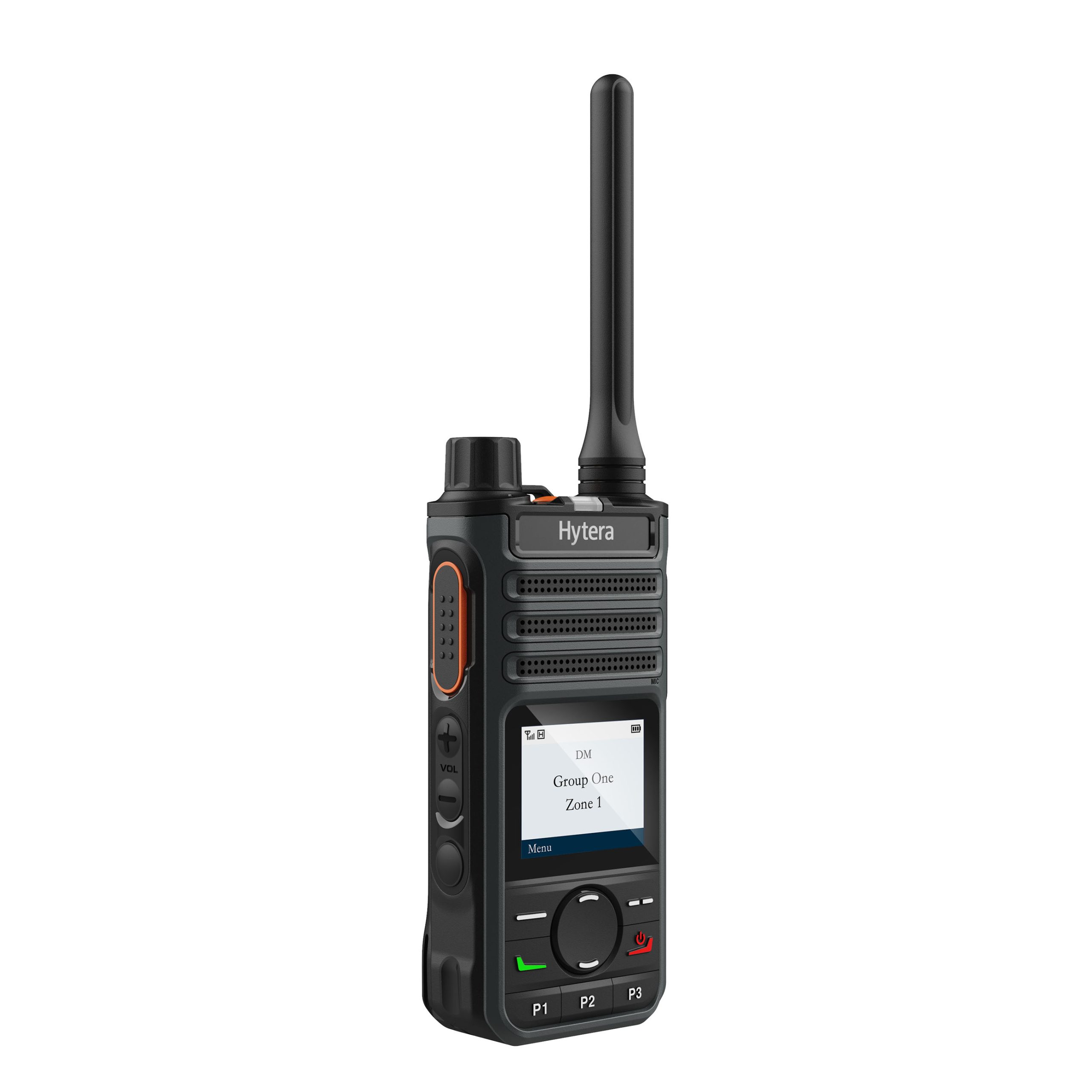
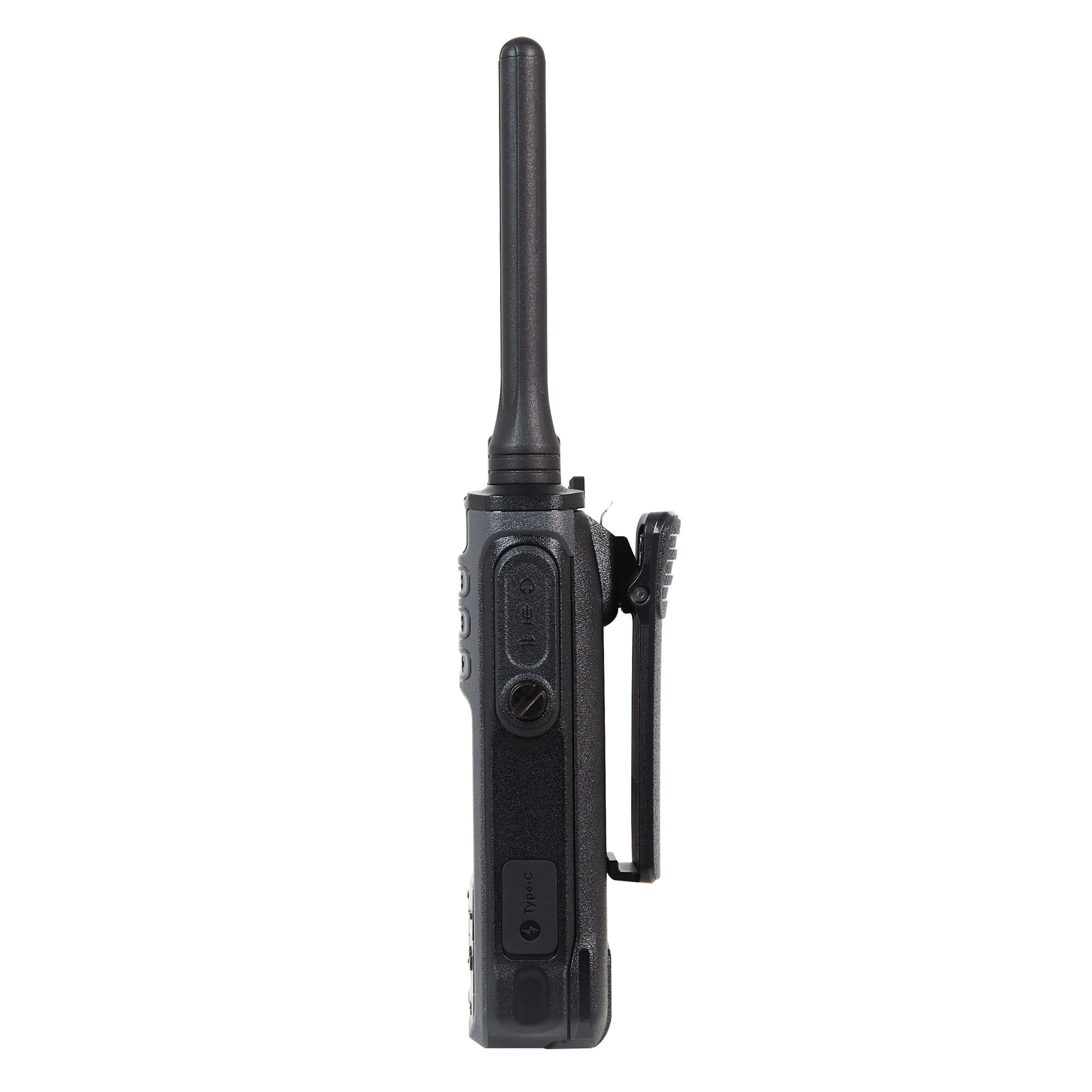
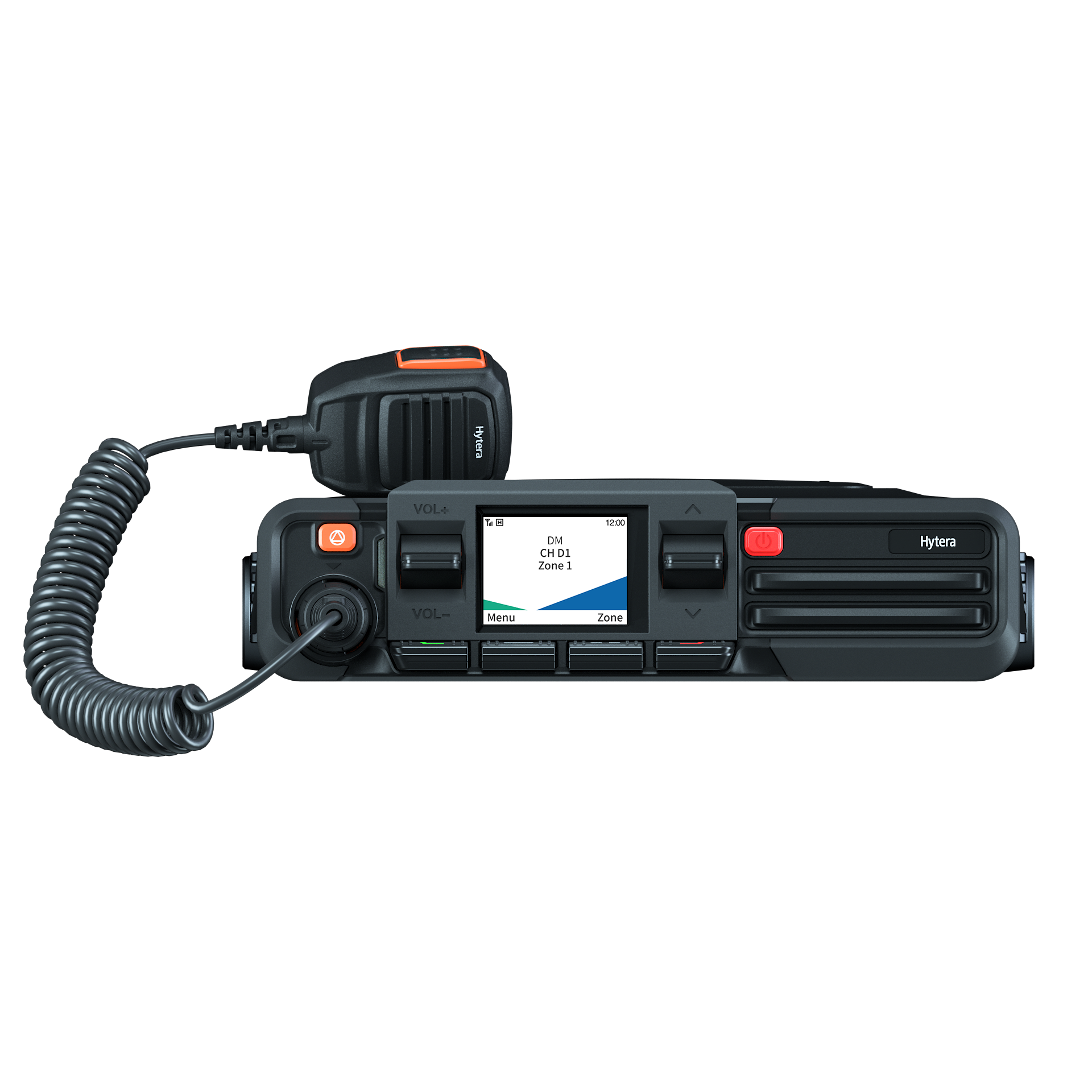
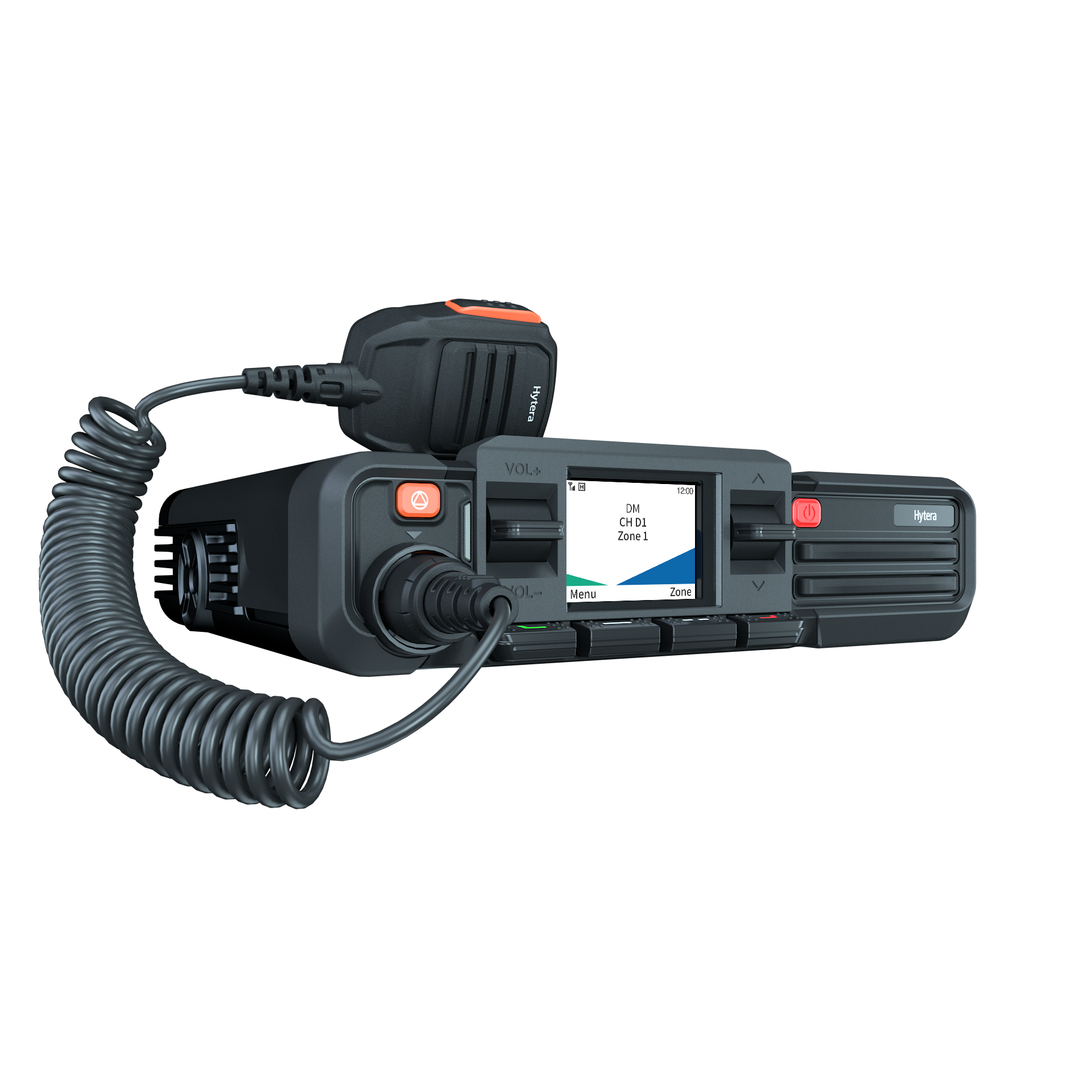
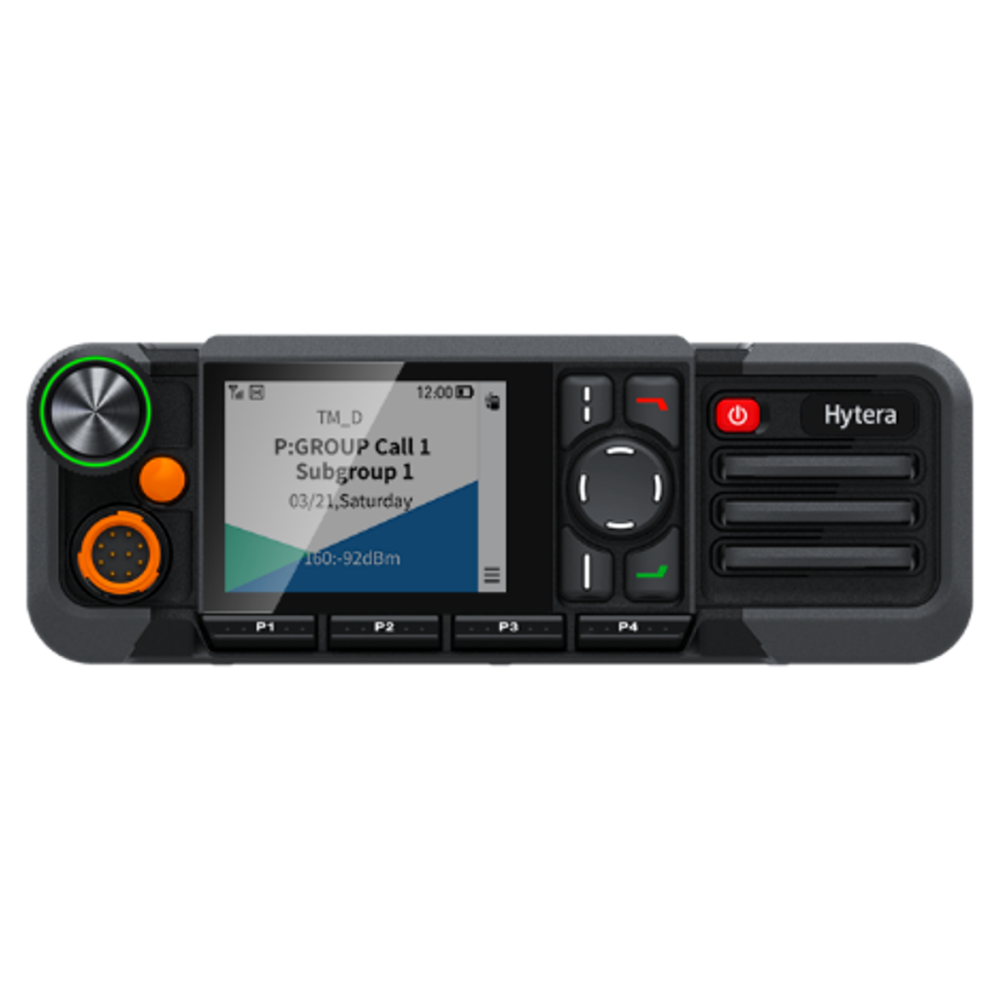
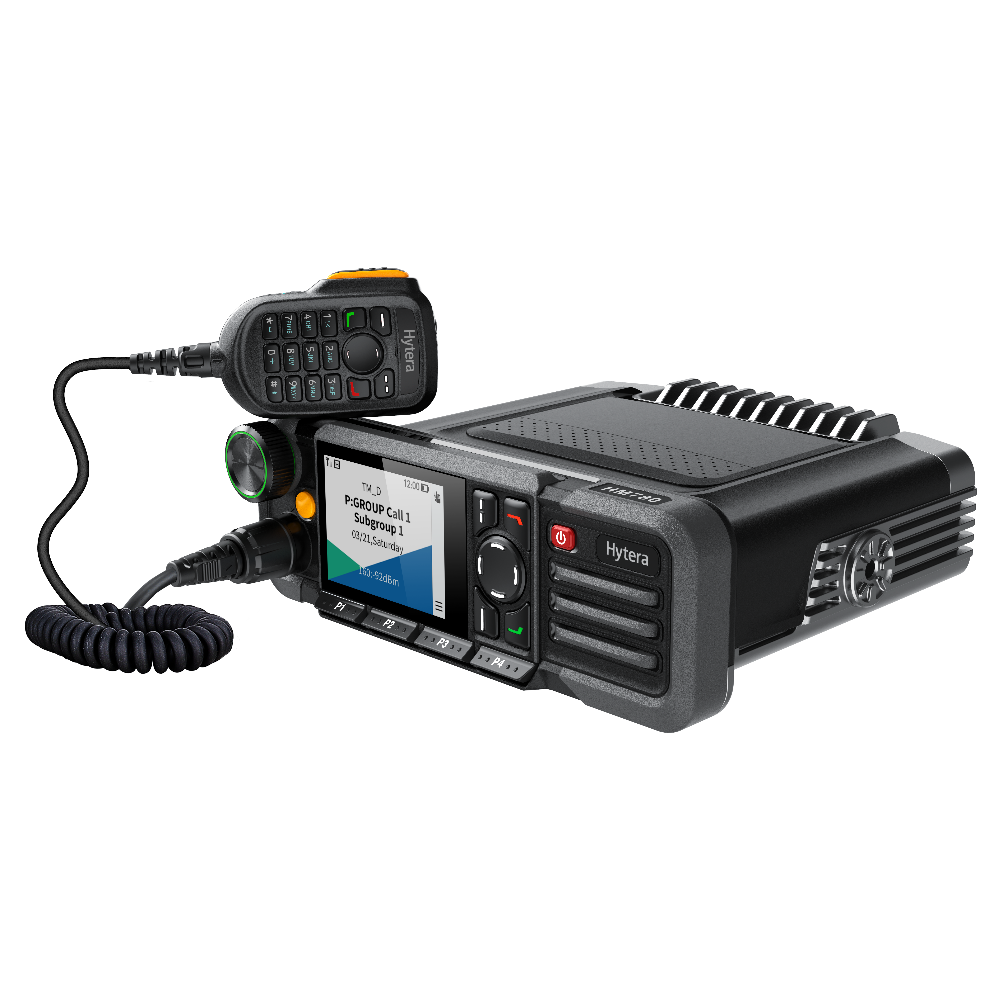
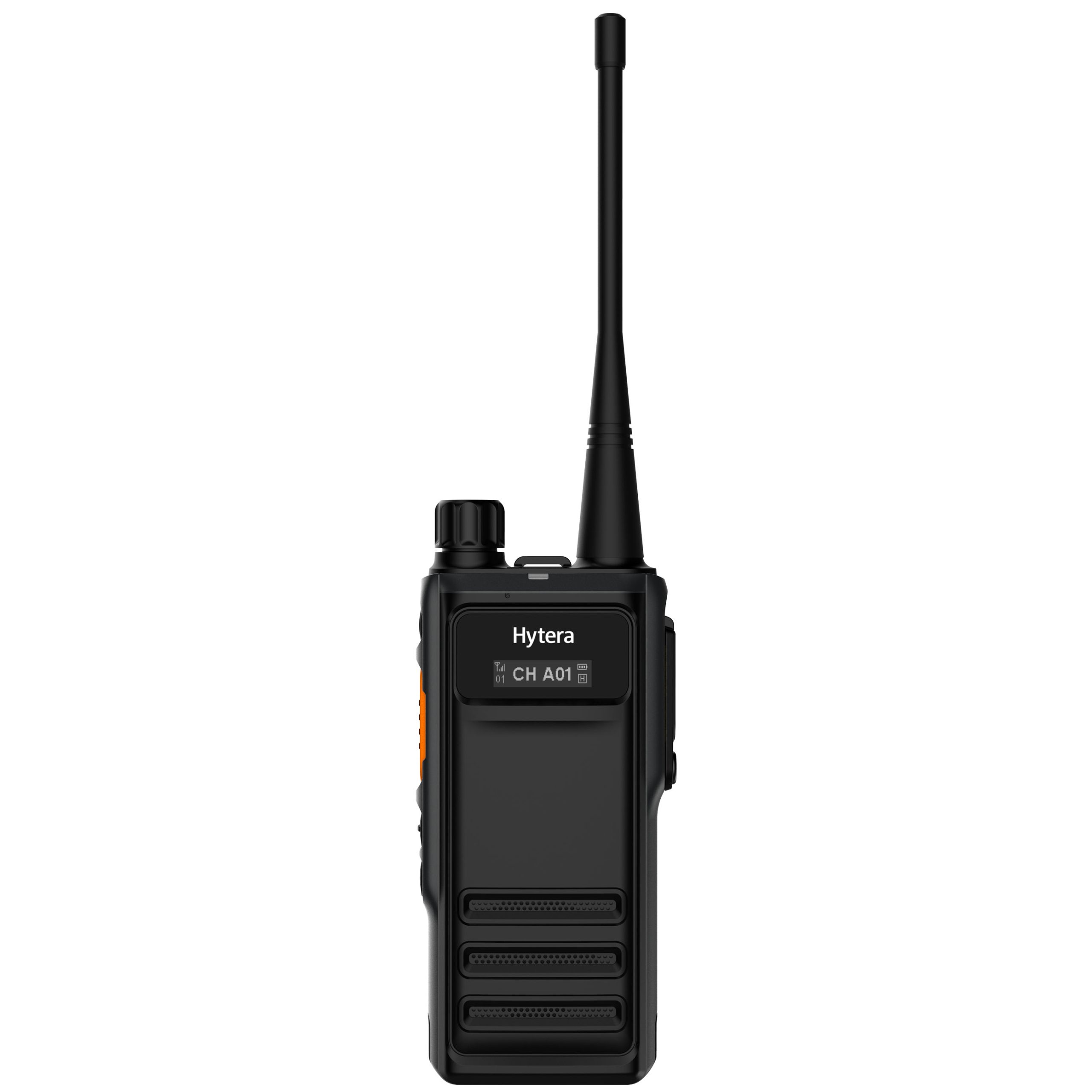
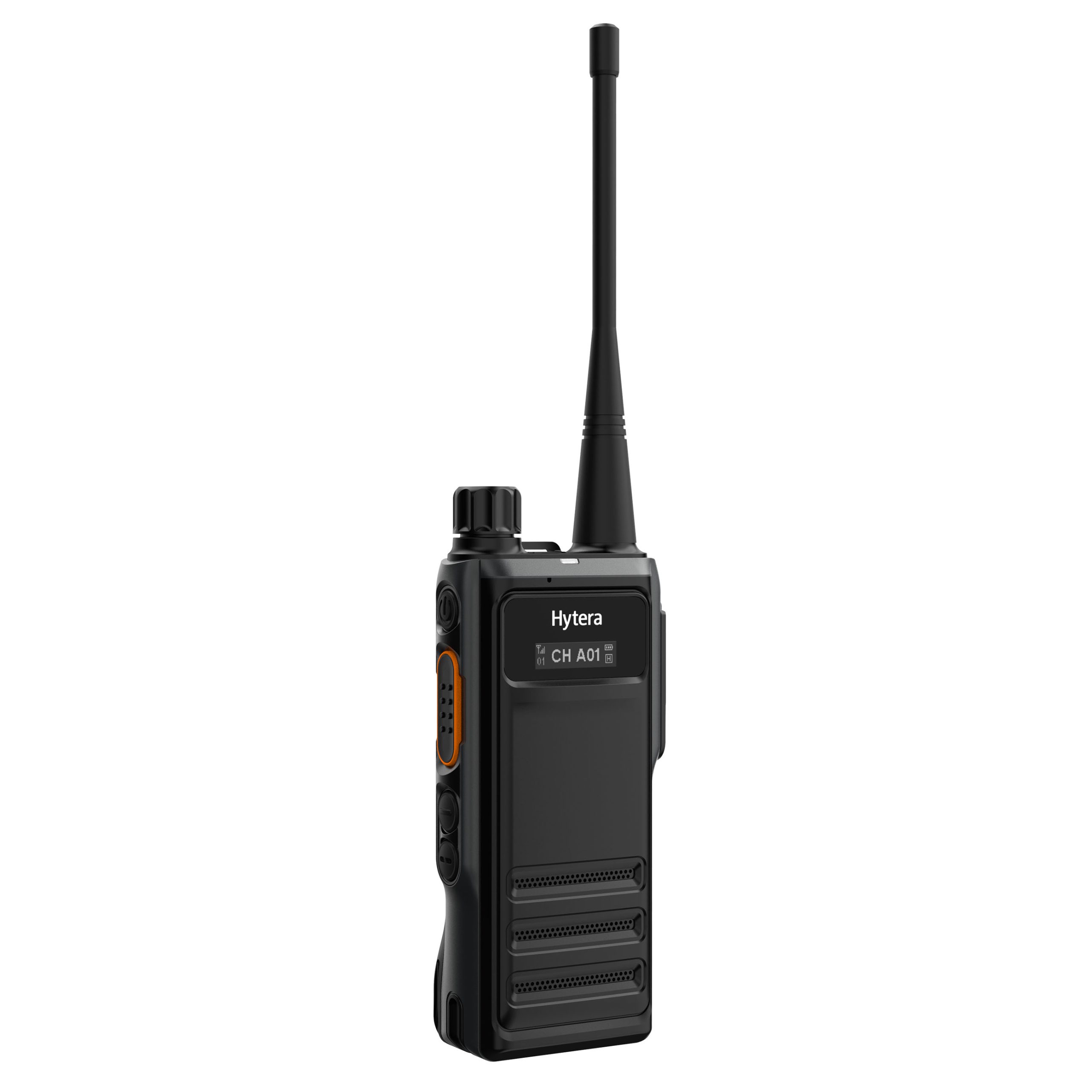
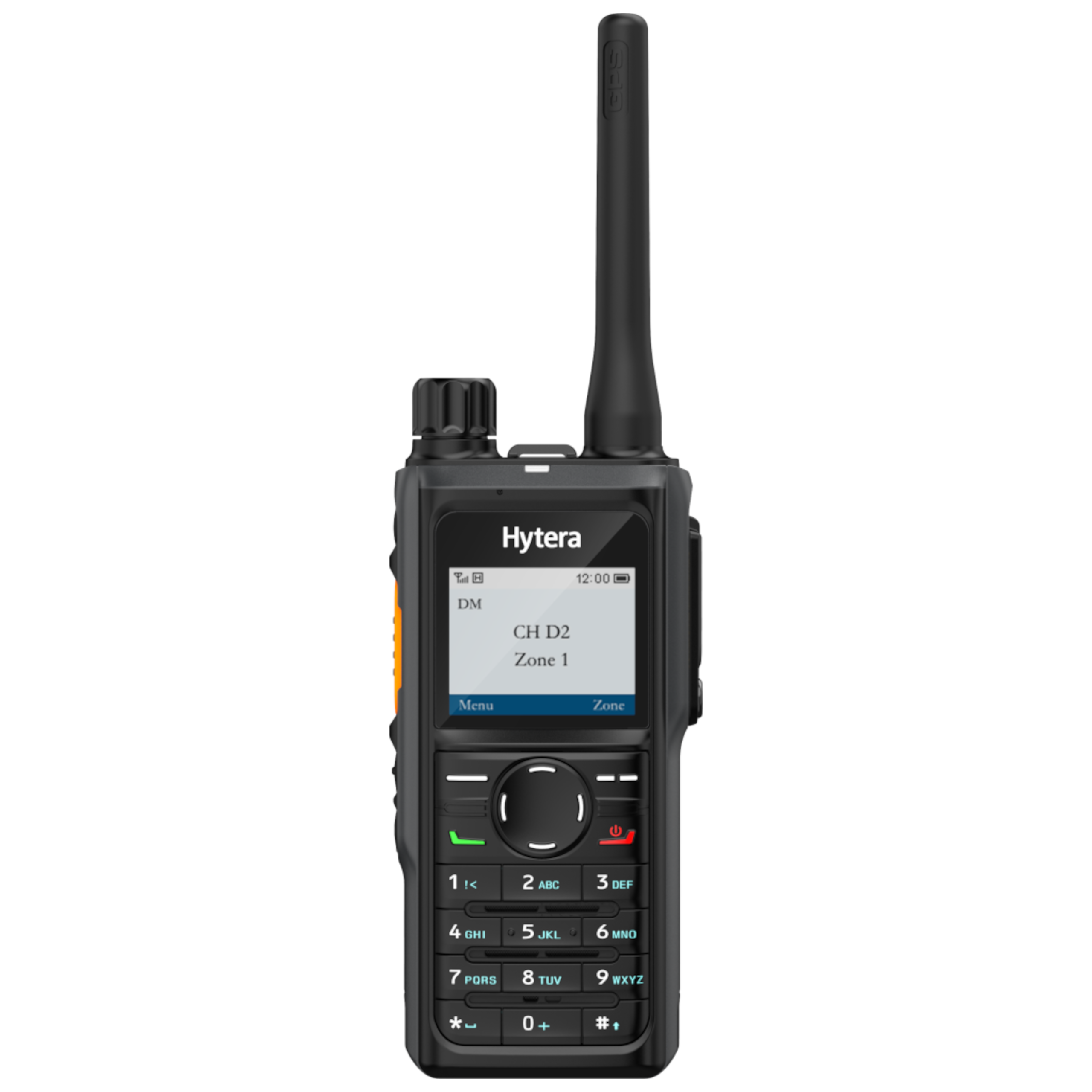
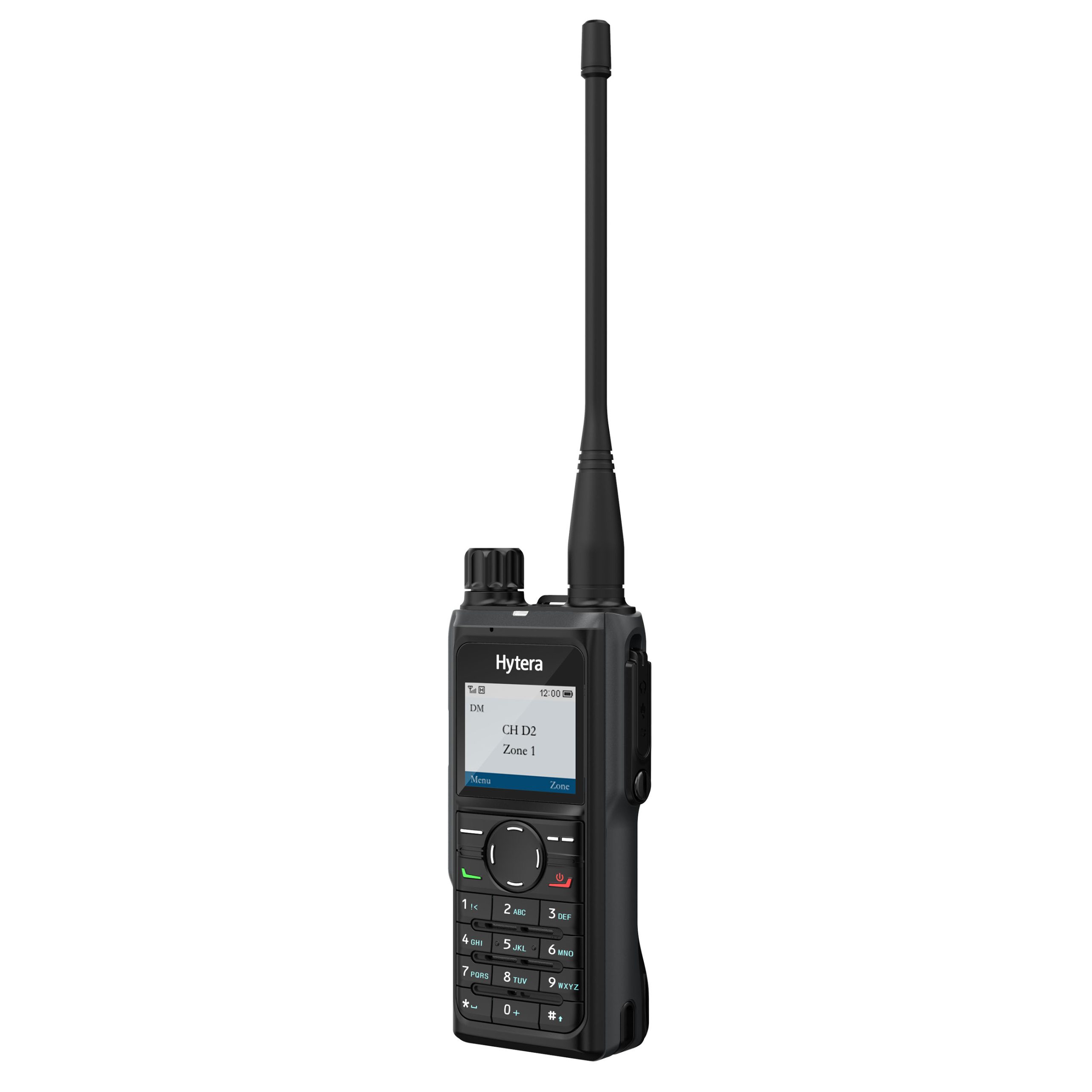
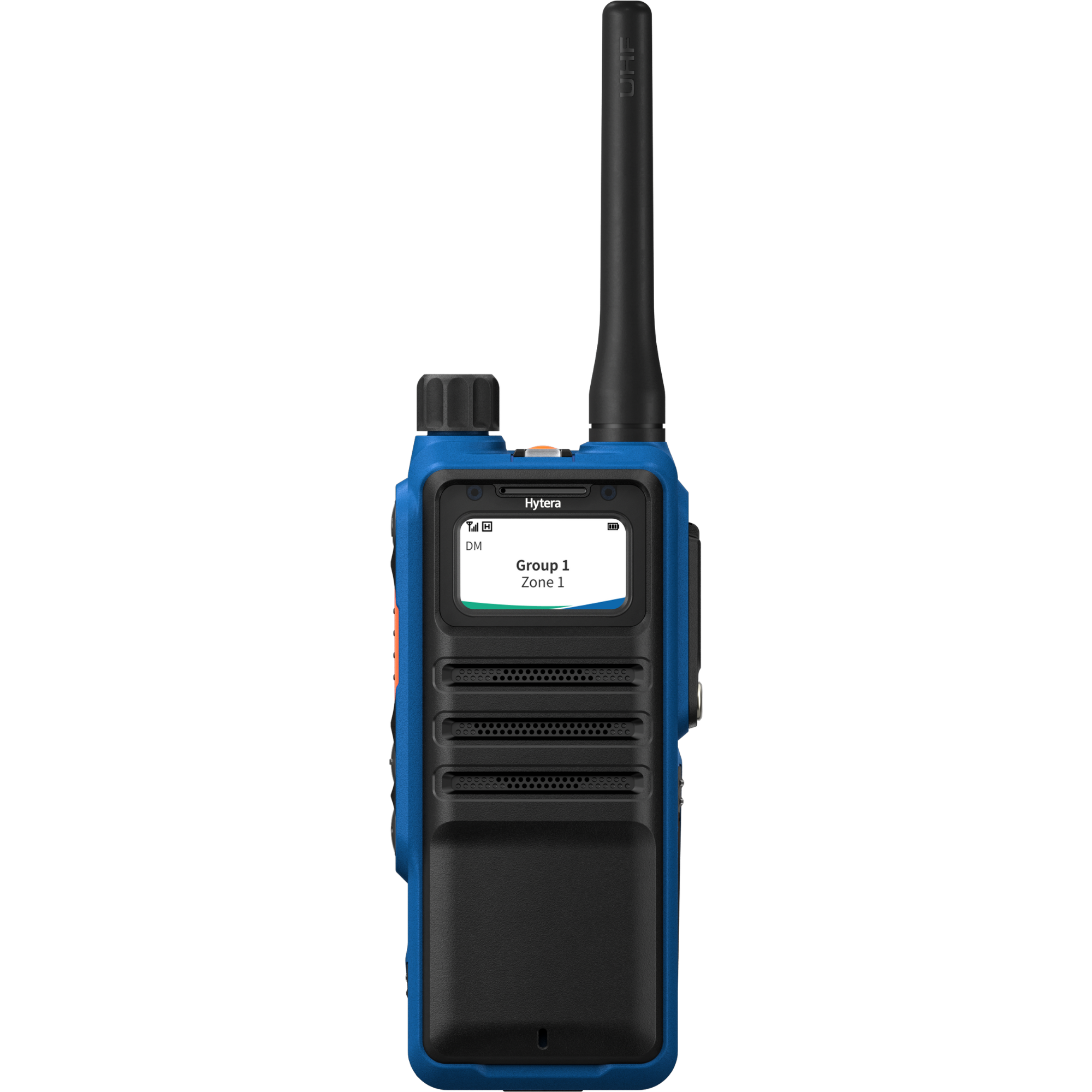
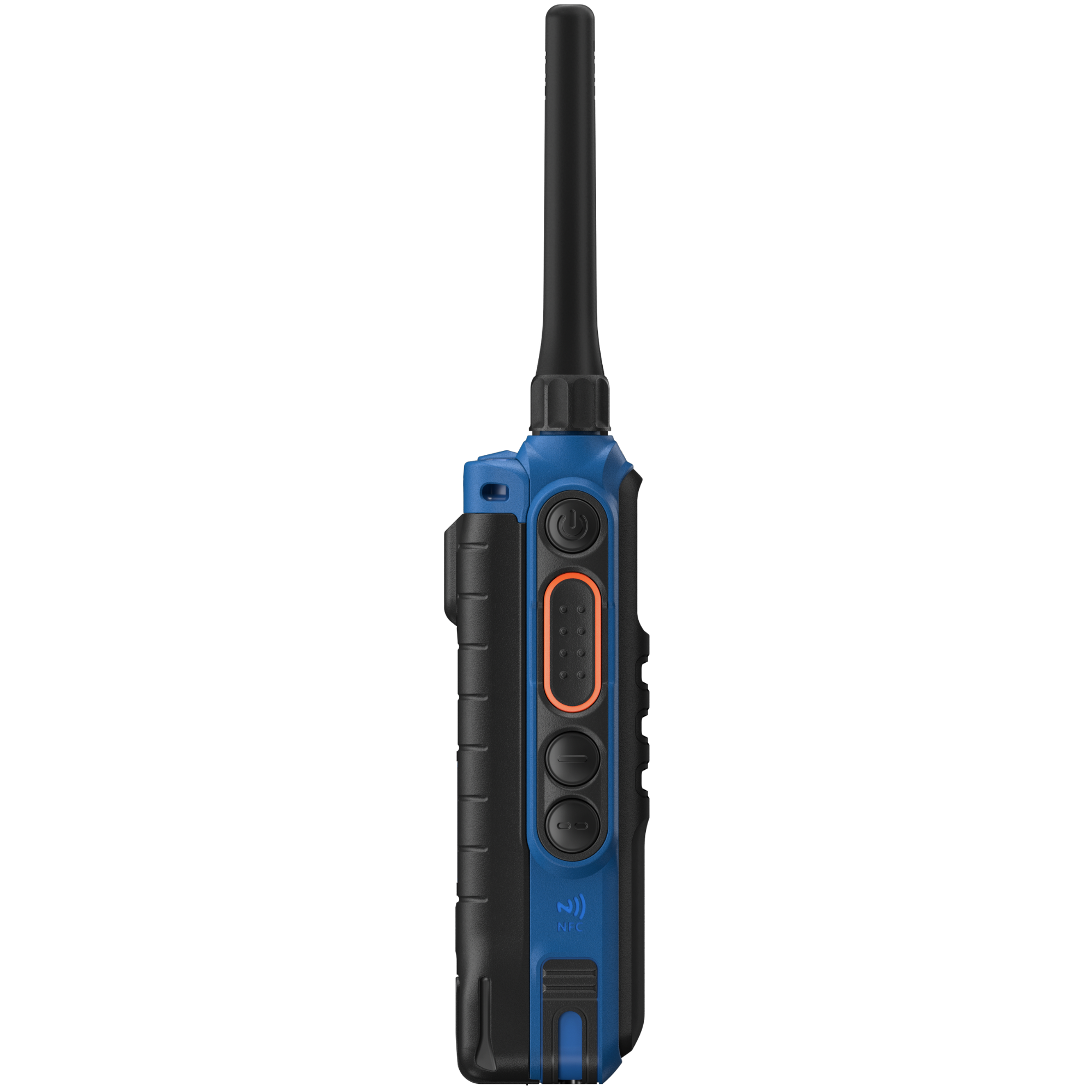
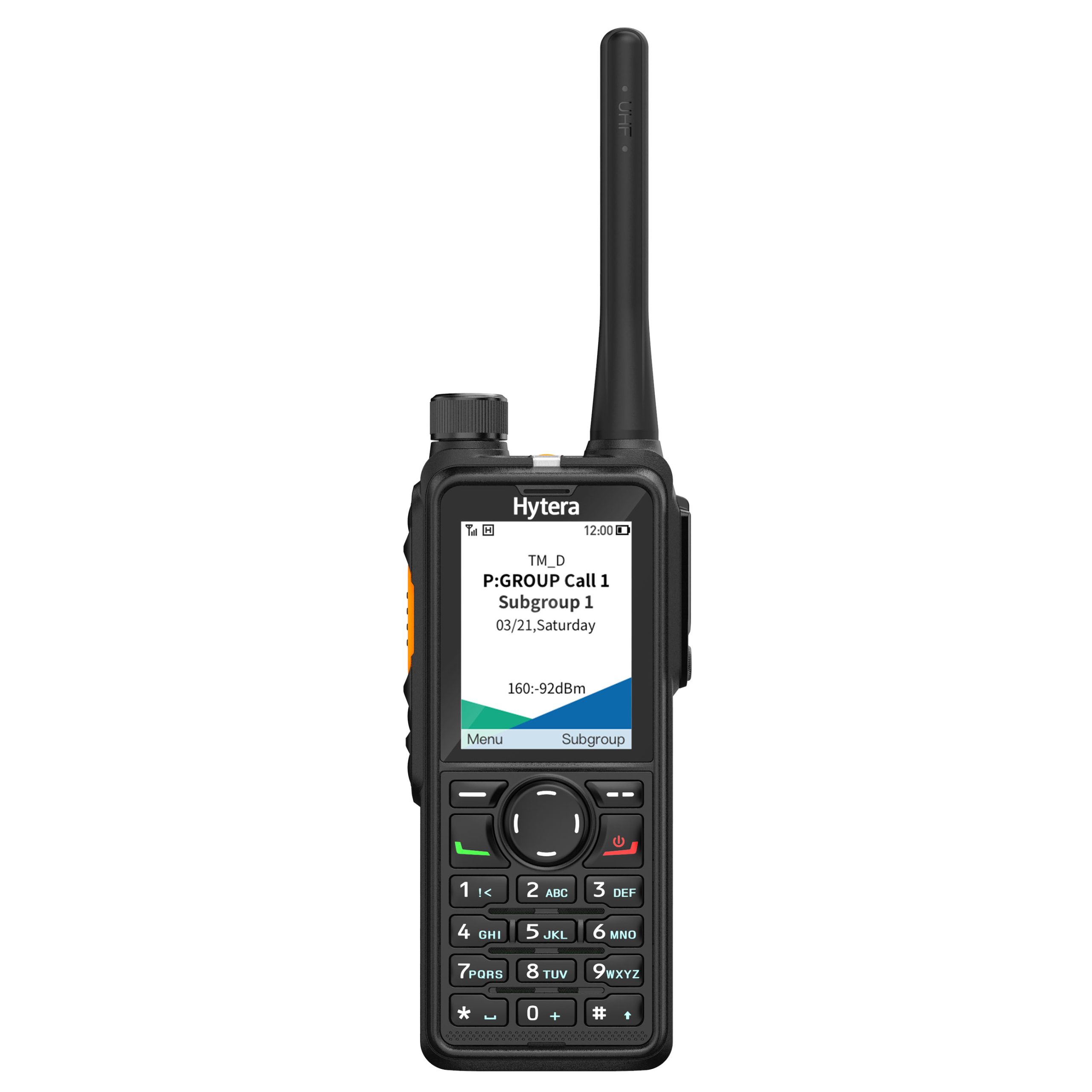
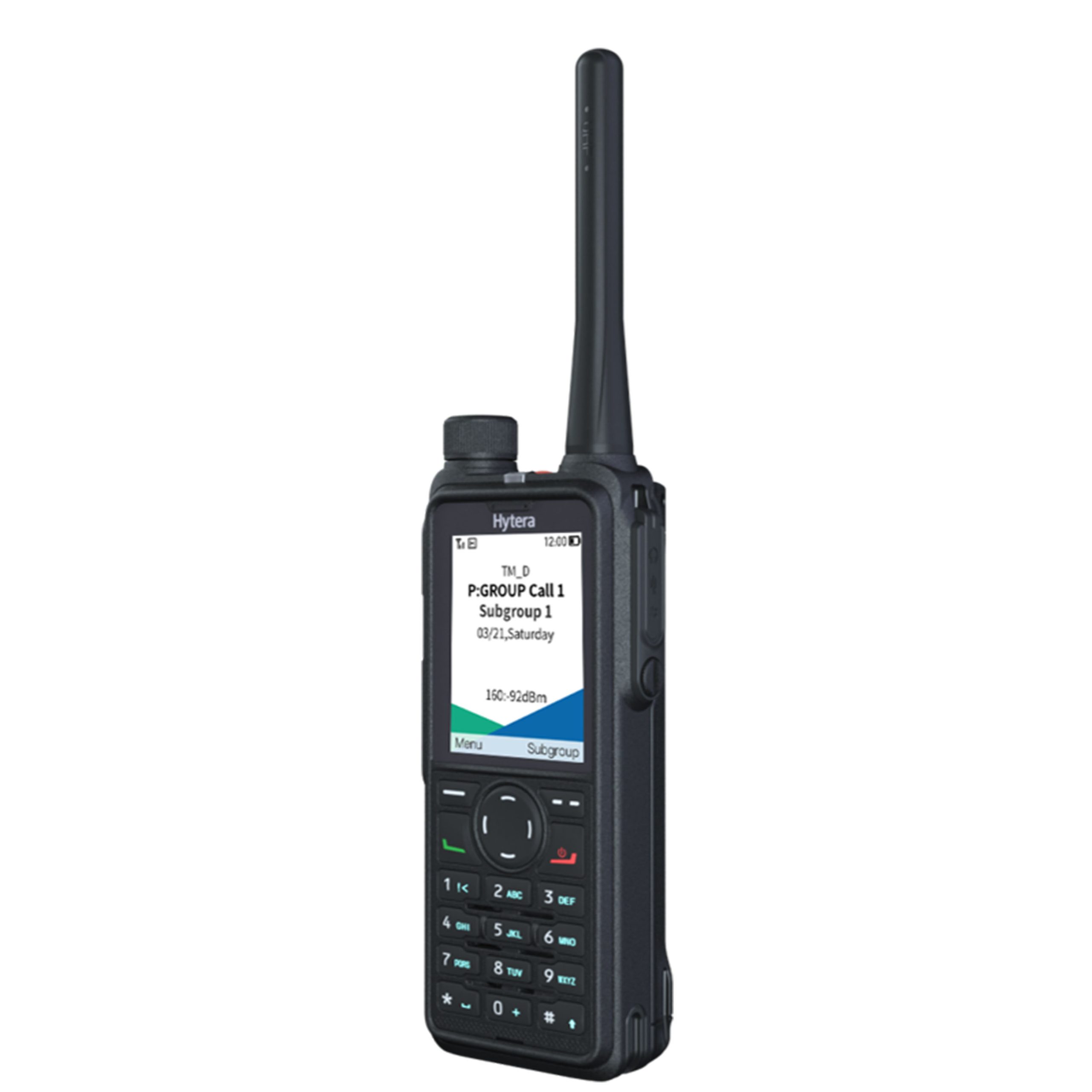
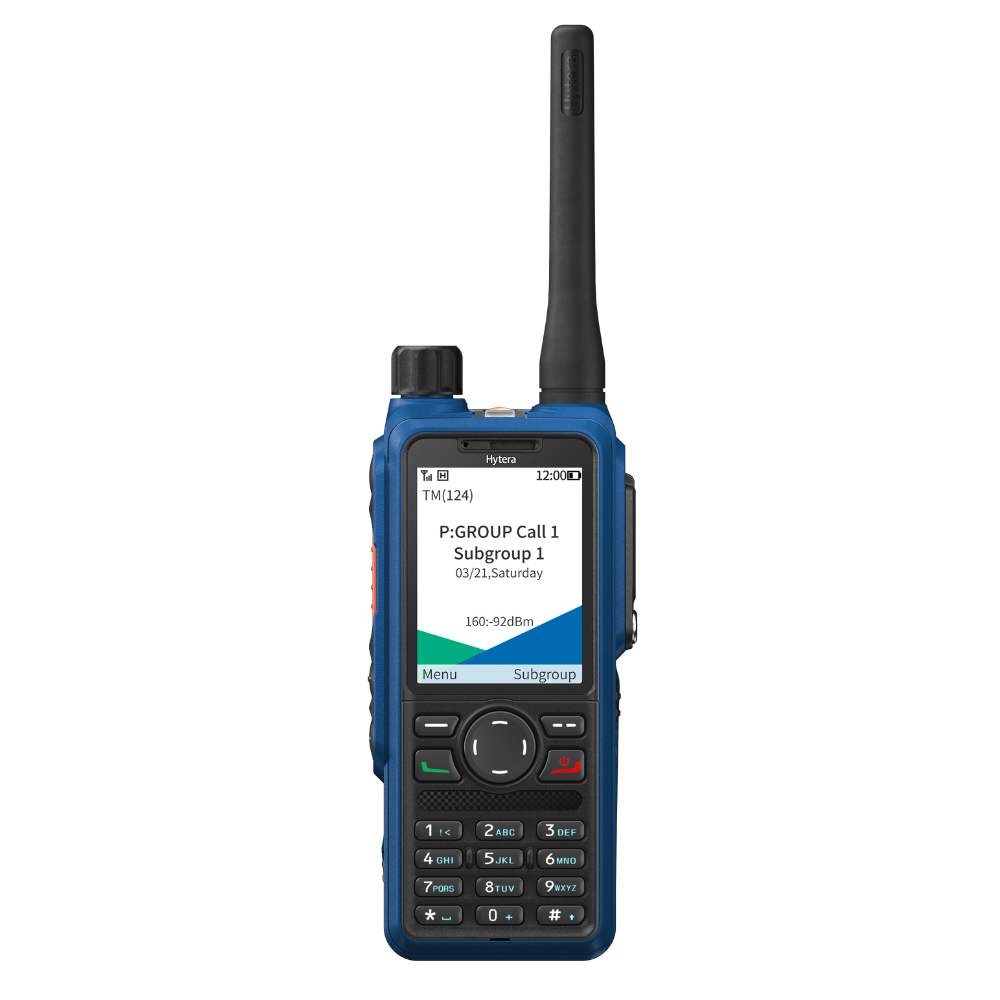
Digital two way radios provide clear, efficient and dependable communication for businesses that need to keep employees connected throughout the working day.
Designed for professional environments, digital radios use modern voice-processing and radio communication technology to support effective communication between individuals, teams and departments.
At Tranex, we supply a comprehensive range of professional digital two way radios from established manufacturers, including Motorola, Hytera, Kenwood, Caltta, Icom and Entel. Our radios are suitable for businesses operating in construction, security, manufacturing, hospitality, warehousing and distribution.
Whether you need a straightforward digital handheld radio or a more advanced communication system with multiple channels and repeaters, Tranex can help you find the right solution.
Explore our range of digital two way radios or contact our team for expert advice and a tailored quote.
You are here:
Showing 17–32 of 90 results










Frequently Asked Questions
1. What is a digital two way radio?
A digital two way radio is a communication device that converts speech into digital information for transmission over radio frequencies. Digital technology supports clear voice communication and can provide additional features such as group calling, individual calling, emergency alerts and data messaging. The functions available depend on the radio model and communication system.
2. What is the difference between digital and analogue two way radios?
Analogue radios transmit voice as a continuous radio signal, while digital radios encode voice into digital data before transmission. Digital radios can offer improved audio clarity, more efficient spectrum use and additional communication features. However, performance and coverage depend on the equipment, frequency, environment and system design.
3. What is a DMR two way radio?
DMR stands for Digital Mobile Radio, a digital radio standard widely used for professional business communications. DMR systems can support individual and group calls, digital voice transmission and, depending on the equipment, data services and repeater operation. DMR radios are commonly used in security, construction, logistics and other commercial environments requiring organised team communication.
4. Can digital two way radios communicate with analogue radios?
Some digital two way radios support both digital and analogue operating modes. This can help businesses transition from an existing analogue system to digital equipment. However, compatibility depends on the supported frequencies, programming and radio protocols. A digital radio will not automatically communicate with every analogue or other digital device. Tranex can advise on compatibility with your existing equipment.
5. Can digital two way radios work across large buildings or multiple sites?
Yes. Digital radio systems can be configured to provide coverage across large premises, industrial facilities and multiple sites. Repeaters and linked radio infrastructure may be required where direct radio coverage is insufficient. The appropriate system depends on building construction, site layout, terrain and operational requirements. A radio coverage assessment can help determine the best approach.
6. Do digital two way radios require an Ofcom licence in the UK?
Many professional digital two way radios require an Ofcom Business Radio licence when operating on licensed frequencies. However, compliant licence-exempt digital PMR446 equipment is also available. Licensing requirements depend on the equipment and frequencies being used. Tranex provides spectrum licensing assistance to help businesses select and operate an appropriate radio system.